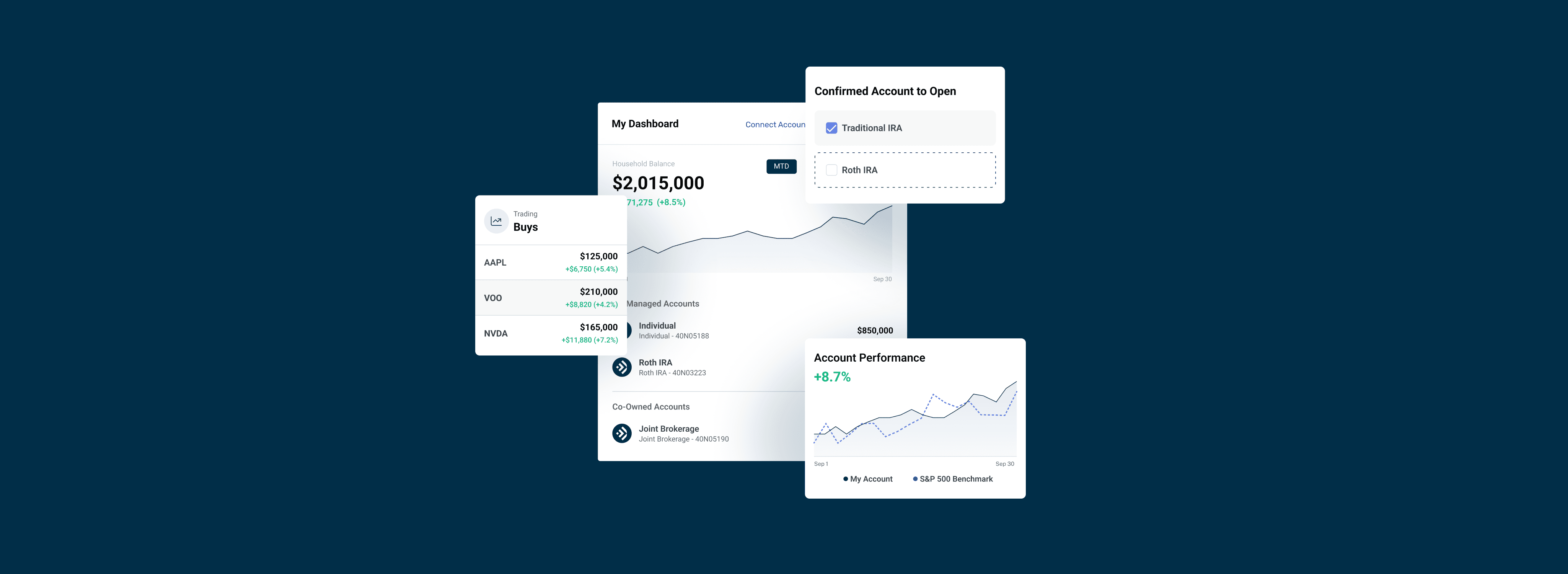
Atlas is a unified design system with a reusable component library and clear guidelines for accessibility, typography, and interaction. It strengthened consistency across products and sped up design and development workflows.
Problem
On every product team I joined, I ran into the same issue: tokens lived in one place, components in another, documentation somewhere else, and everyone simply hoped the handoff would somehow stay aligned. This disconnect created confusion, inconsistencies, and unnecessary rework. The problem was clear, there was no single, reliable source of truth for how things should look, behave, or be built.
Solution
To solve this, I created a unified system built on Figma that acts as a single, cohesive backbone for the entire product workflow. Instead of scattering tokens, components, and documentation across different places, the system brings everything together in one source of truth. Designers and engineers can think, design, and ship from the same foundation, removing guesswork and ensuring alignment from concept to production.
Product Audit & Component Discovery
Analyzing interfaces and patterns to define the core components needed for a unified system.
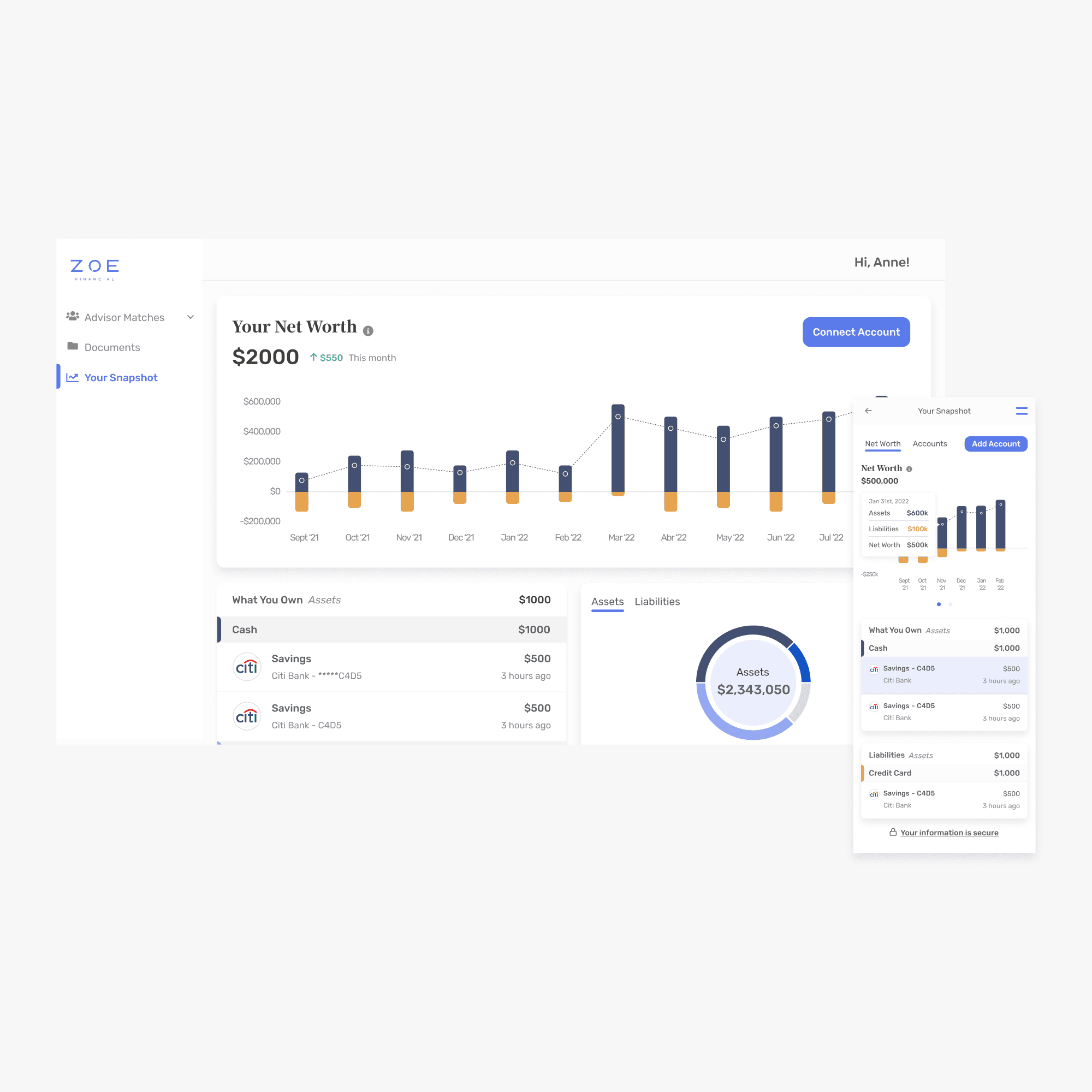
Interface Review
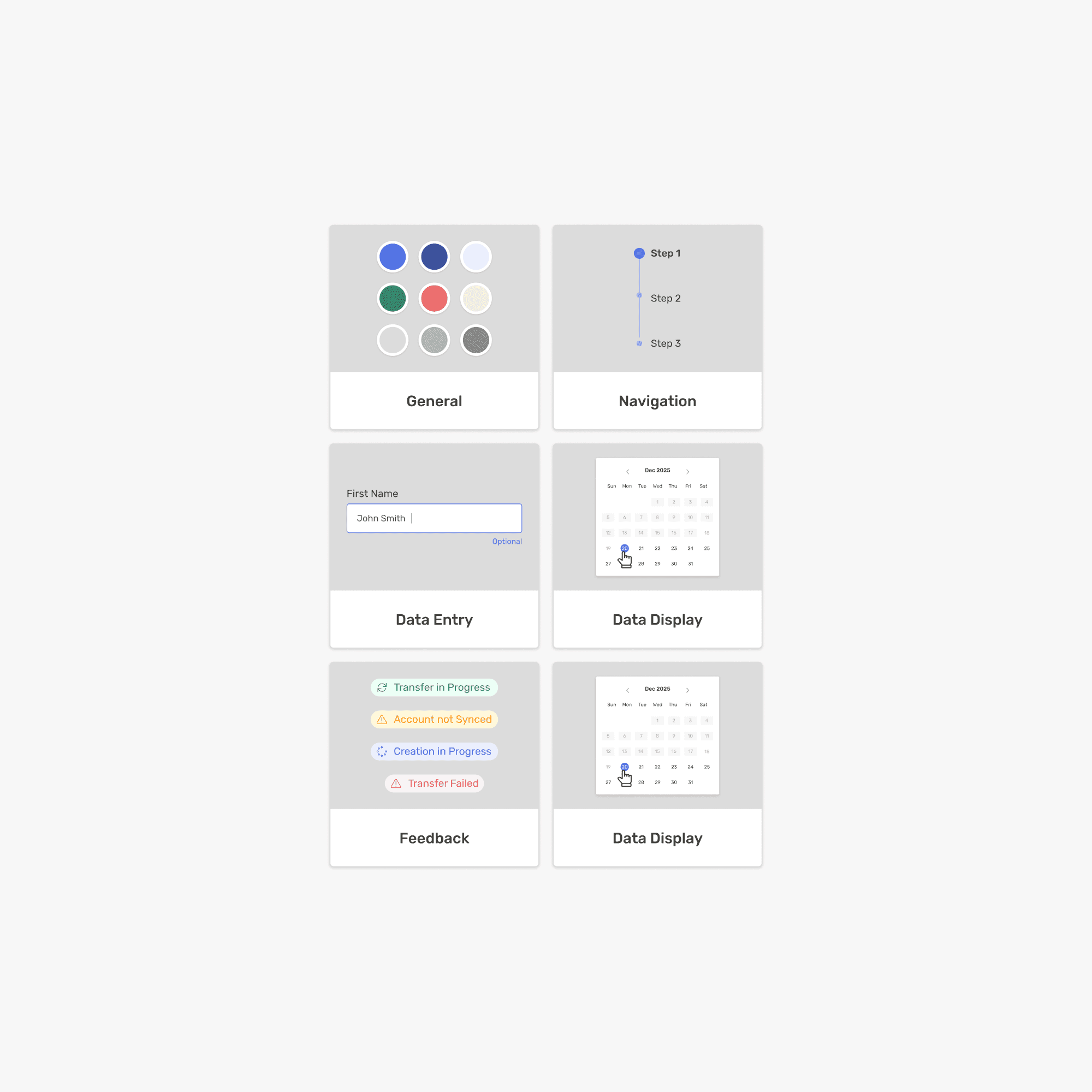
Pattern Analysis
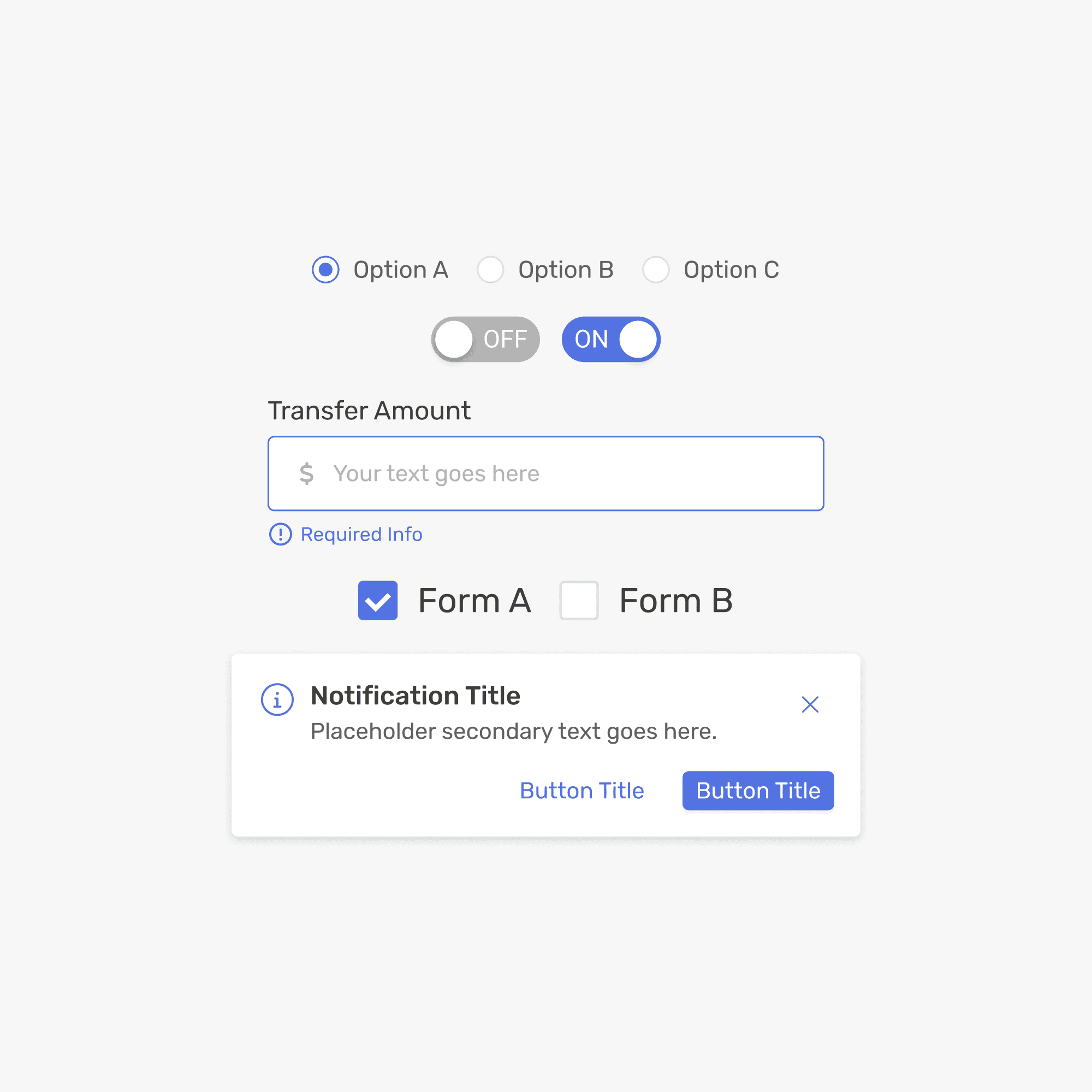
Component Mapping
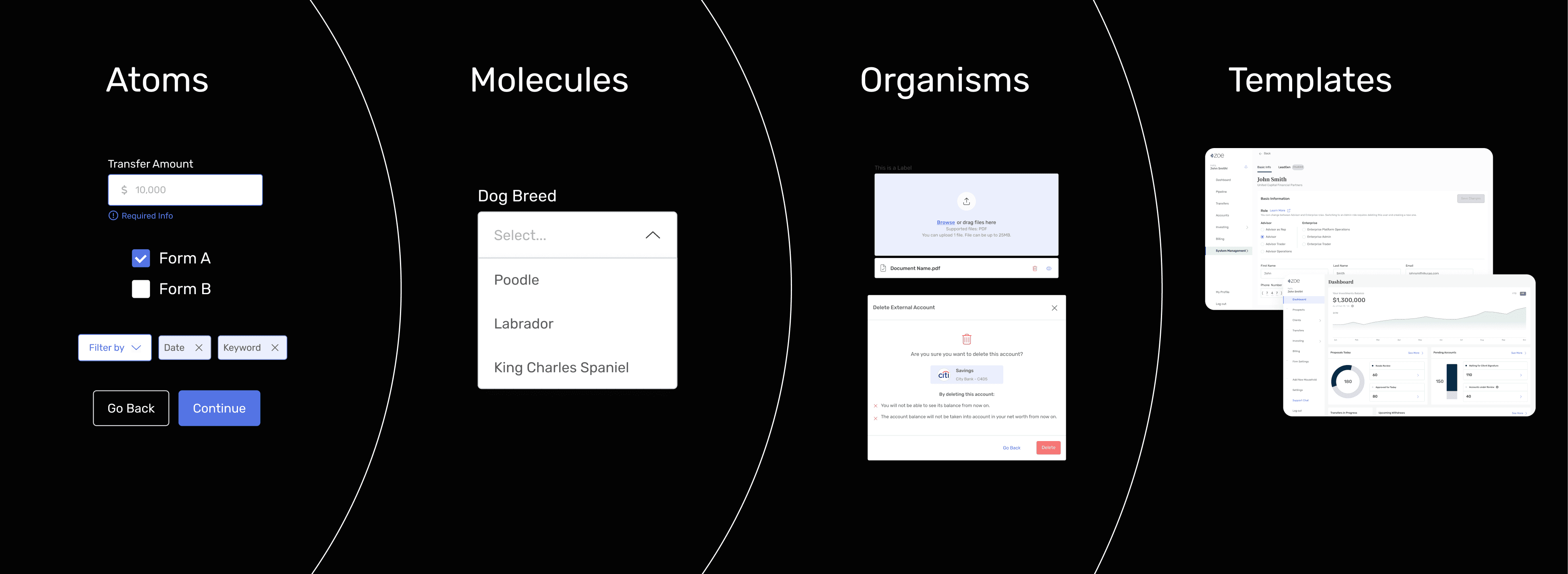
Components that Adjust to All Uses
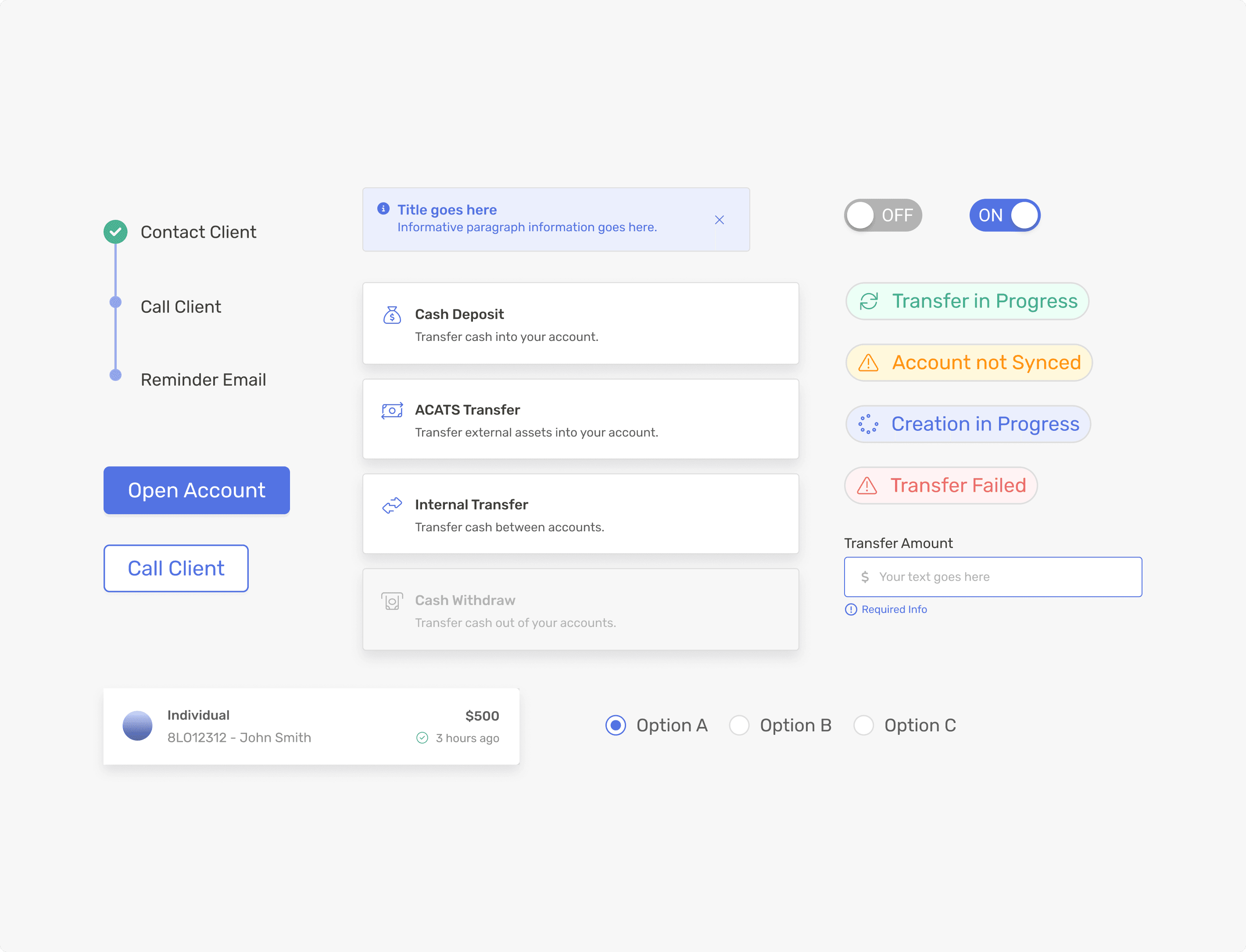
I built each component from solid, flexible primitives and strengthened them for real product use. Variants, sizes, and full state coverage hover, focus, loading, pressed, disabled, are included from the start. Icon-only cases have proper labels and focus behavior. Components like buttons come with a full recipe: props, copy guidance, and clear rules for adding new variants without breaking consistency. The same structure carries across inputs, selects, dialogs, sheets, toasts, tabs, and pagination, so teams aren’t rebuilding the same details every sprint.
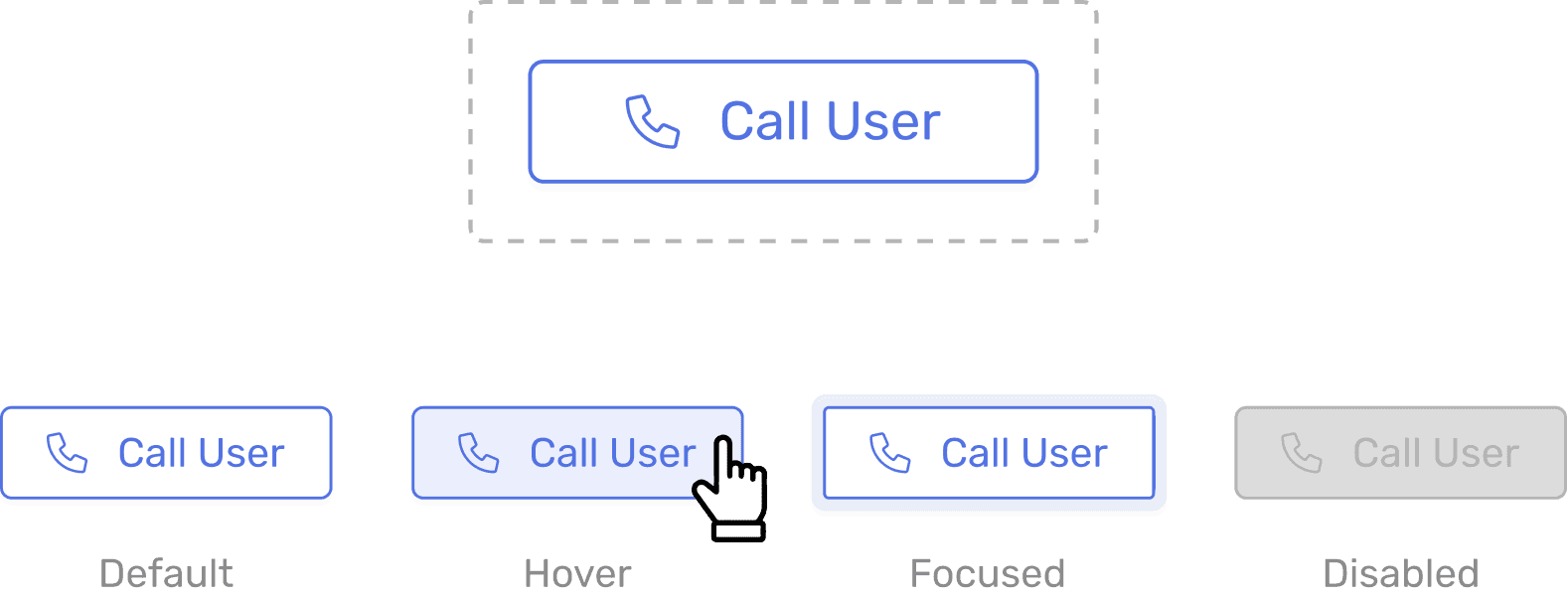
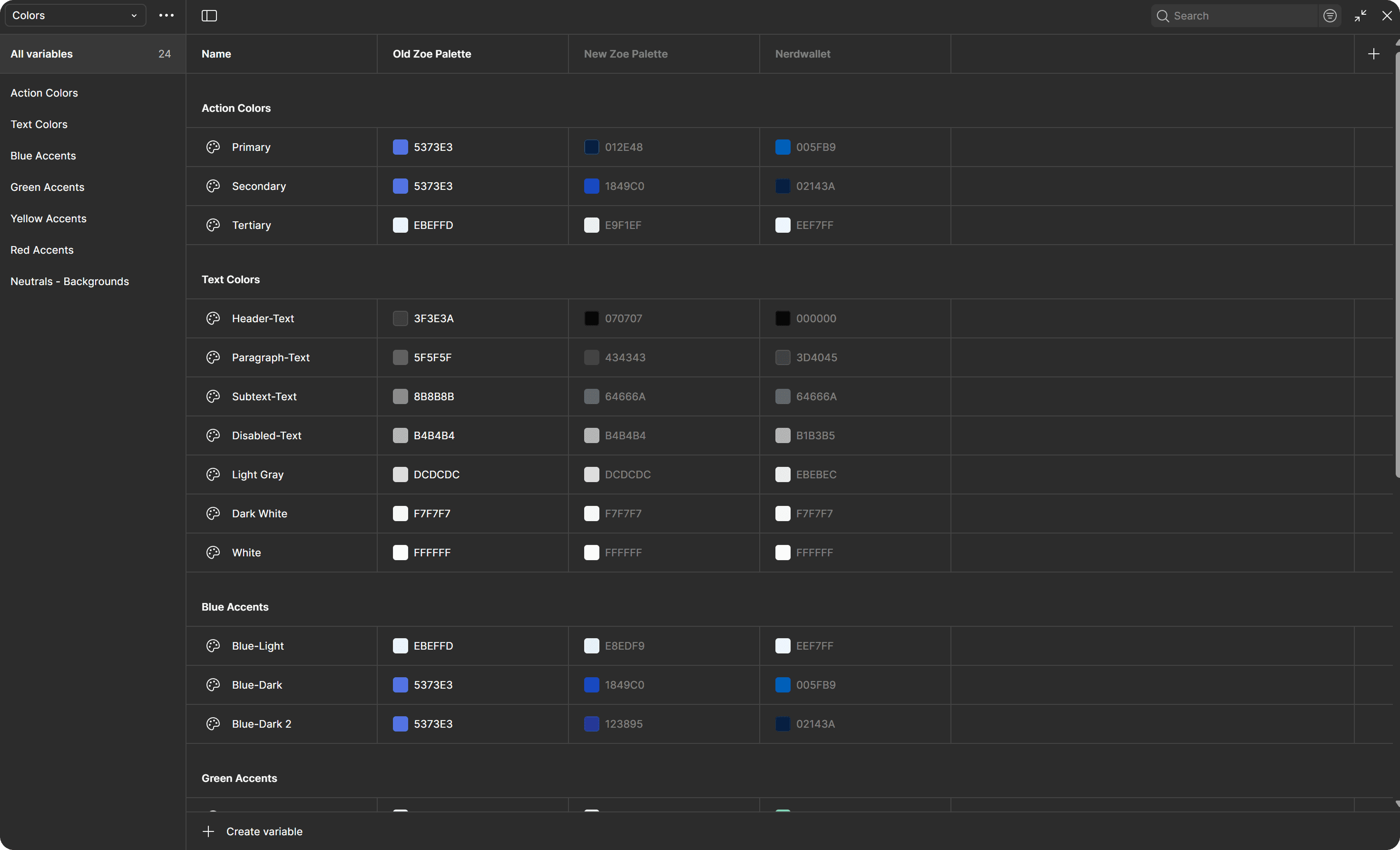
A Token System That Scales
We developed a robust set of design tokens to support different client needs, including full whitelabeling. Colors, typography, spacing, and shadows were all built as flexible tokens that could adapt to brand requirements without rewriting components. This allows teams to scale the system across multiple clients and products while keeping the core structure consistent and easy to maintain.
Project Outcomes
How Atlas strengthened workflows, alignment, and product quality across the organization.
Lower Design Debt
Outdated patterns were replaced with modern, scalable solutions.
Faster Workflows
Designers worked more efficiently using shared components.
Smoother Development
Engineers built interfaces faster with aligned code components.
Built to Work in Real Product Teams
In practice, teams can theme the system in minutes and stay consistent without constant policing. Components behave the same in design files as they do in code, thanks to a foundation built for clarity and parity. The system stays clean because it was engineered that way from the start, making handoffs smoother and implementation straightforward for any team.